Rocket Lab’s planned acquisition of Iridium is more than a consolidation move in satellite communications. For the electric motor and power electronics supply chain, it signals the growing centrality of electrified subsystems in the development, deployment and operation of next-generation LEO constellations.
The transaction, valued at approximately $8.0 billion, would combine Rocket Lab’s launch and satellite manufacturing capabilities with Iridium’s global LEO communications network, L-band spectrum and customer base across government, defense, aviation, maritime, industrial IoT and commercial markets.
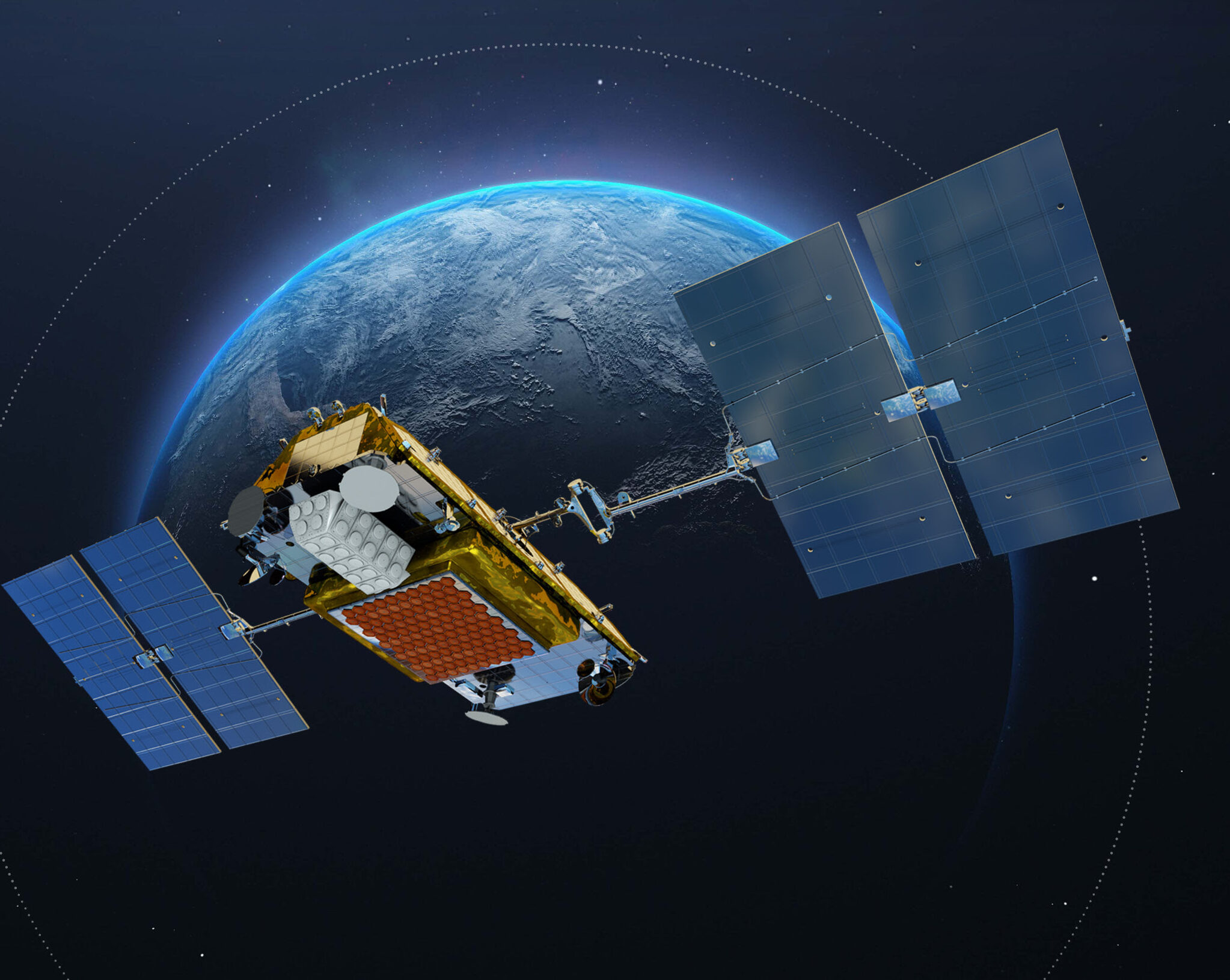
The key industrial point is vertical integration. A company able to design, build, launch and operate its own satellites can control the full spacecraft architecture, from power generation and storage to propulsion, attitude control, actuation and thermal management. This has direct implications for suppliers of electric motors, drives, power electronics, batteries, solar-array mechanisms and high-reliability electromechanical components.
Modern satellites are increasingly complex electrical platforms. Reaction wheels, antenna pointing systems, solar array deployment and tracking mechanisms, valves, pumps, electric propulsion units and power processing systems all rely on compact, efficient and durable motion and power technologies. In orbit, these components must operate for years without maintenance, with high resistance to vibration, radiation, thermal cycling and vacuum conditions.
By acquiring Iridium, Rocket Lab would also inherit the need to maintain, replenish and upgrade a global constellation. That creates recurring demand for space-grade subsystems and could accelerate the transition from bespoke satellite manufacturing to more industrialized production models. For the electric motor sector, this means opportunities in precision actuation, high-efficiency drives, magnetic components and power-dense systems designed for orbital applications.
Iridium’s network also serves safety-critical and resilience-driven markets, where reliability is more important than pure bandwidth. Maritime, aviation, defense and emergency response applications require robust satellite platforms, stable power architectures and electromechanical systems capable of supporting continuous service in degraded or remote environments.
The deal therefore reflects a broader shift in the space economy: value is moving from individual launches and satellites toward integrated infrastructure platforms. In this model, spacecraft are not only telecom assets, but autonomous electrified machines combining energy generation, storage, conversion, motion control and digital communications.
If completed, the Rocket Lab–Iridium combination would create a vertically integrated space company spanning launch, spacecraft production, spectrum and satellite services. For the electric motor and power systems industry, the message is clear: the expansion of LEO constellations is also an electrification story, driven by space-grade motors, actuators, power electronics and control systems.