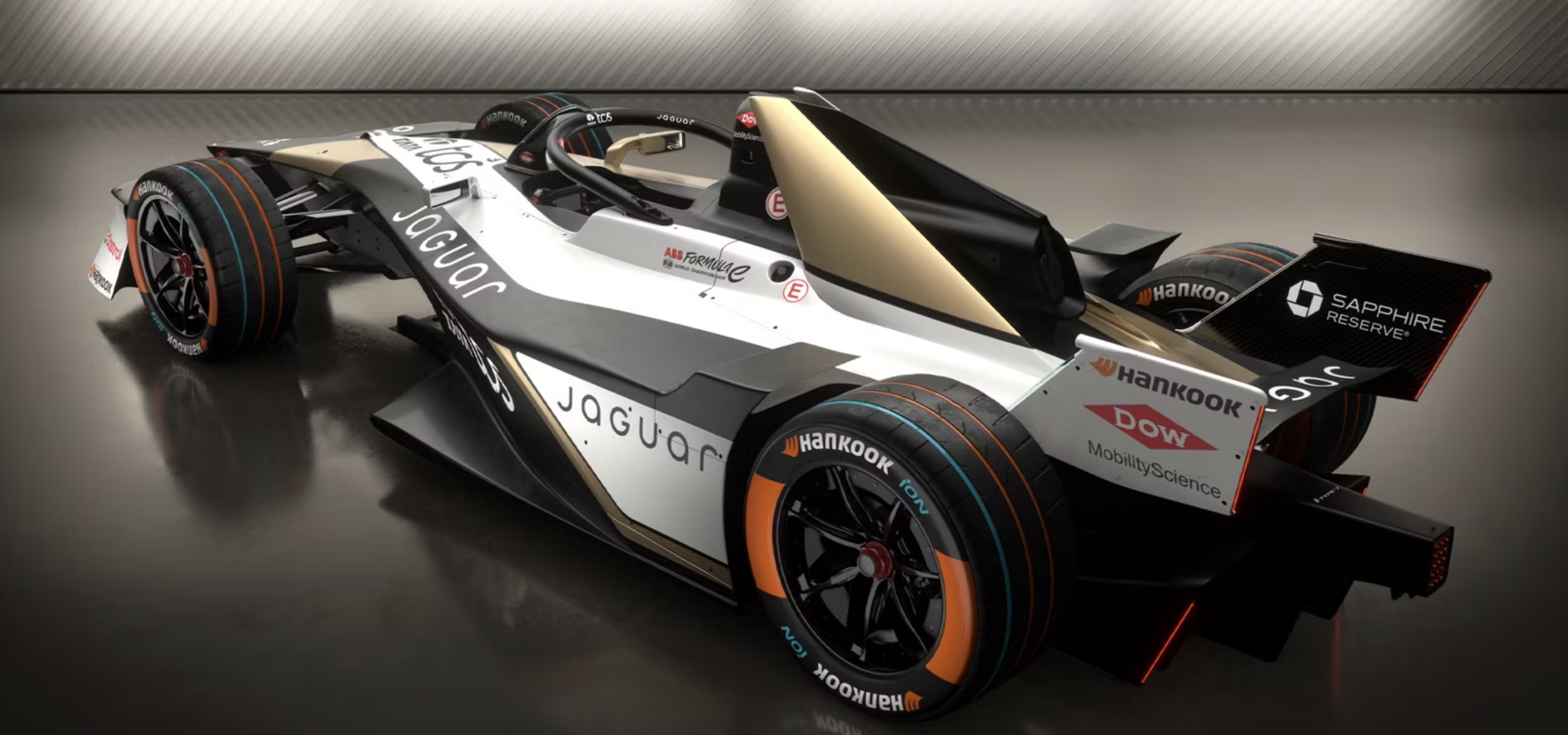
Jaguar TCS Racing has entered into a multi-year agreement with Schaeffler, appointing the German technology group as Official Supplier in a move that reinforces the increasing convergence between top-level electric motorsport and next-generation road-going e-mobility development. The partnership adds a strong engineering dimension to Jaguar TCS Racing’s Formula E programme, while giving Schaeffler a further platform for validating high-performance electric drive technologies under extreme operating conditions.
From an electric motor engineering perspective, the collaboration is strategically significant. Schaeffler brings to the programme deep expertise in electric drive systems, efficiency optimisation, system integration and motion technologies—areas that are directly relevant in Formula E, where power density, thermal stability, drivetrain efficiency and reliability are decisive performance factors. The partnership is expected to support the exploration of new technical approaches for high-performance electric propulsion architectures, with potential spillover into future production-oriented e-mobility platforms.
Formula E continues to serve as a demanding development environment for electrified propulsion systems. In this context, the Jaguar TCS Racing–Schaeffler agreement highlights the role of racing as a rapid validation platform for technologies linked to efficiency, controllability and sustainable vehicle performance. Under race conditions, electric drivetrains are exposed to highly dynamic load cycles, aggressive energy management requirements and strict efficiency constraints, making the series especially relevant for the refinement of inverter strategies, motor response, system calibration and integrated drivetrain performance. The announcement therefore signals more than a sponsorship alignment: it points to an engineering-led collaboration with practical implications for the next generation of electric mobility solutions.
Jaguar TCS Racing Team Principal Ian James emphasised Schaeffler’s strong credentials in high-performance electric drive systems and noted the shared commitment to advancing performance, reliability and e-mobility through the multi-year partnership. Thomas Stierle, CEO of E-Mobility at Schaeffler, framed the agreement in explicitly technological terms, stating that the knowledge generated in Formula E becomes a blueprint for future electric vehicles, with racing acting as a catalyst for breakthrough solutions with real-world relevance.
For the wider electric motor and drivetrain sector, the collaboration is another indication that competitive motorsport remains a valuable proving ground for advanced electrification technologies. As manufacturers and suppliers pursue higher efficiency, better thermal behaviour, improved integration and more sustainable mobility concepts, alliances of this kind show how motorsport engineering can accelerate development pathways from the racetrack to industrial and automotive applications.