
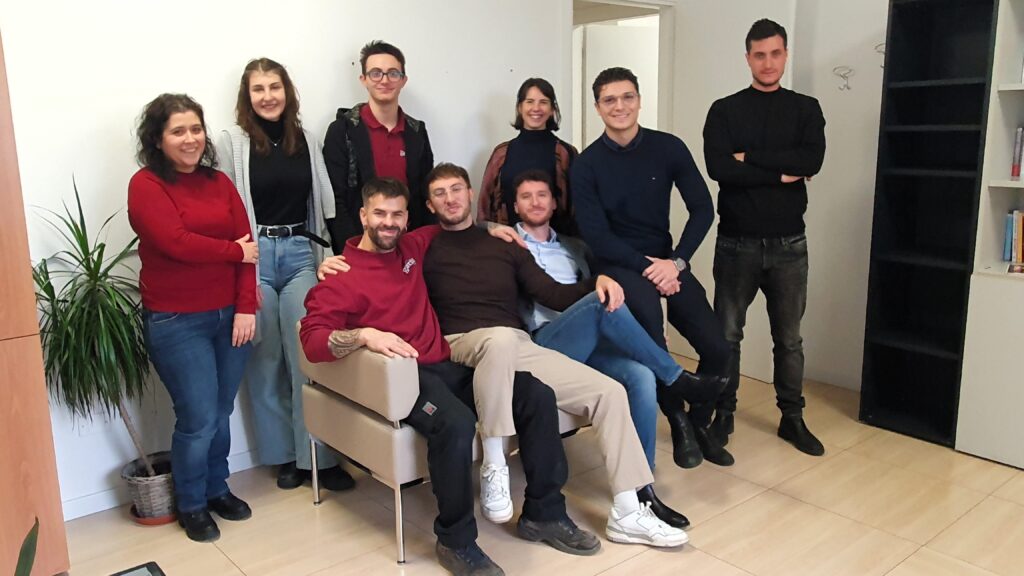
In recent years, Garnet has embarked on a structured path of renewal, investing concretely in people and their professional growth. “In 2025 alone – explains the company – we have hired eight young professionals from different backgrounds but united by enthusiasm, skills, and a desire to contribute to the company’s development”.
This focus on the younger generation is part of a broader commitment. Garnet invests in the continuous training of all employees, promoting development paths that involve both newcomers and those who have been part of the team for many years.
“Technical training, mentoring, intergenerational exchange, and attention to people are central elements of our corporate culture – comments Garnet –. With this in mind, our Management has chosen to dedicate a structured listening session to young people under 35. This is a useful opportunity to gather authentic perceptions, bring out concrete proposals, and strengthen a culture based on collaboration and shared growth”.
Perception of the work environment
Garnet asked the young people surveyed to describe their work environment using three adjectives. The most frequently cited word was “collaborative”. “Garnet – explains the company headquartered in Lombardy – is perceived as a reality characterized by mutual availability, team spirit, and continuous support. The opportunity to interact with experienced colleagues is a learning accelerator for young people”.
Garnet was also described as “challenging/stimulating”. “On the one hand – the company emphasizes – it means growth, responsibility, and complex projects; on the other hand, it requires commitment and adaptability. It is a positive stimulus that contributes to making the professional experience concrete and formative”.
Finally, the working environment at the Concorezzo-based company appears “welcoming”. “The human climate – explains the company – is considered a distinctive strength: respect, listening, empathy, and a sense of belonging. For many, Garnet is an environment where you can learn without fear of making mistakes. The willingness of colleagues is an essential component of on-the-job training”.
Young people’s ideas for the future
Garnet also asked young people to suggest ways to improve the company. The responses included streamlining internal processes for greater operational efficiency and strengthening communication between departments, especially in critical stages. Other proposals concerned accelerating digitization by improving tools and workflows and enhancing the company’s social media presence, particularly with technical content and application videos.
Intergenerational exchange
Intergenerational exchange is a fundamental aspect for Garnet. “The solidity and expertise of senior colleagues – says the company – represent an asset that young people openly recognize”.
What are new recruits learning from their more experienced colleagues? The skills most cited by young people include internal and external communication, priority management, and problem solving. Other areas of learning include flexibility in the face of unexpected events and a technical approach to sales. “These are fundamental skills – comments Garnet – that allow new hires to quickly find their feet and become more autonomous in a short time”.
The contribution of young people to their more experienced colleagues
The value of intergenerational exchange is mutual. Young people provide a positive boost that helps the company evolve. Specifically, they contribute to the transformation of processes through: the use of artificial intelligence for technical research and operational support; the automation of repetitive tasks; and up-to-date IT skills. Other aspects highlighted include human characteristics such as enthusiasm, initiative, and liveliness.
Motivations
For many young people, what motivates them most is feeling part of a meaningful and evolving project. When asked about their main motivations, the most common responses were: professional growth and continuous learning; Management transparency, especially in sharing company data; and teamwork. Additional responses included autonomy (experienced as empowerment, albeit with the need for clearer initial guidelines), the desire to bring value to the team, and the achievement of concrete results.
(by Elena Corti)