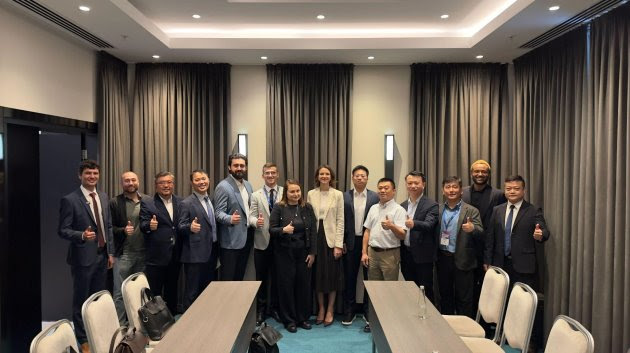
A landmark cooperation between Zener Group (Republic of Moldova), New Energy Technology (China), and Horizon Auto sets a new stage for the Republic of Moldova’s integration into the European electric mobility supply chain. During Moldova Business Week 2025, the three companies signed a memorandum of understanding to launch a €20 million investment project aimed at building a state-of-the-art manufacturing facility in Strășeni.
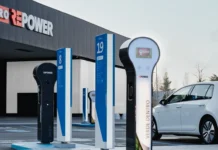
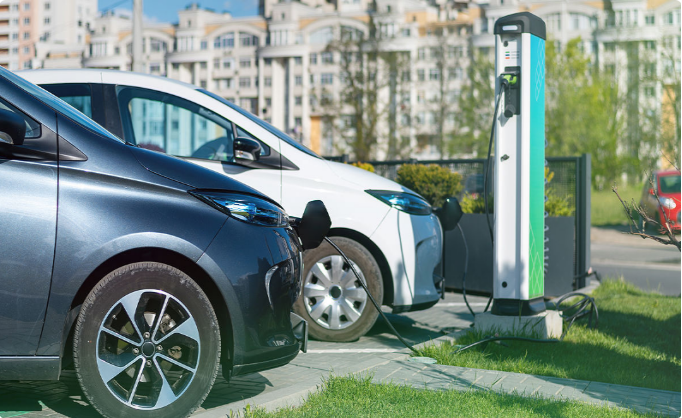
The project marks the first plant in Moldova dedicated to producing components for electric mobility infrastructure, focusing on charging station equipment and energy storage systems for electric vehicles. The facility’s strategic export orientation toward the European market positions Moldova as a new industrial link in Europe’s evolving green technology network.
According to Mu Dayong, representative of New Energy Technology, the initiative will result in a modern, fully automated plant designed to meet European quality standards. The project’s technological scope covers automation-driven assembly lines for electrical and electronic components, integrating advanced energy management systems and smart-charging technologies for EV infrastructure.
“Our goal is to build a solid production base for energy charging and storage technologies, contributing to the region’s development and to Moldova’s integration into European value chains,” said Mu Dayong.
Strengthening Moldova’s Role
This investment is among the largest Chinese industrial commitments in Moldova, surpassing previous capital inflows from China by more than twentyfold. It underscores the growing confidence of Asian investors in the Moldovan business environment and the country’s maturing capacity to attract high-tech manufacturing projects.
Moldova’s geographic location—with short logistics routes to Central and Eastern Europe—serves as a strong nearshoring advantage. Data also indicate an upward trajectory in Moldova’s high-value exports: shipments of EV components have increased by over 50% in the past five years, mainly to the Netherlands, Ukraine, and Romania. At the same time, imports of Chinese high-tech goods such as photovoltaic cells and smart electronics highlight an expanding bilateral trade in green technology value chains.
Local Impact
Despite its high degree of automation, the Strășeni facility will create dozens of skilled jobs in fields such as electrical and electronic engineering, logistics, and production management. The project will stimulate local supplier networks, boost technology exports, and catalyze Moldova’s industrial capacity in electric mobility.
The initiative enjoys institutional support from the Invest Moldova Agency, which facilitated investor dialogue and assisted in project implementation. Director Natalia Bejan emphasized that this partnership symbolizes Moldova’s accelerating integration into global industrial ecosystems:
“This investment confirms Moldova’s readiness to participate actively in global value chains. It validates our strategy to advance technological capabilities and to grow high value-added sectors.”