The $400,000 grant awarded to Niron Magnetics in Minnesota is more than a workforce-training announcement. It is an industrial signal: Iron Nitride permanent magnet technology is moving toward the most critical phase for electric motor engineering — scalable, repeatable manufacturing.
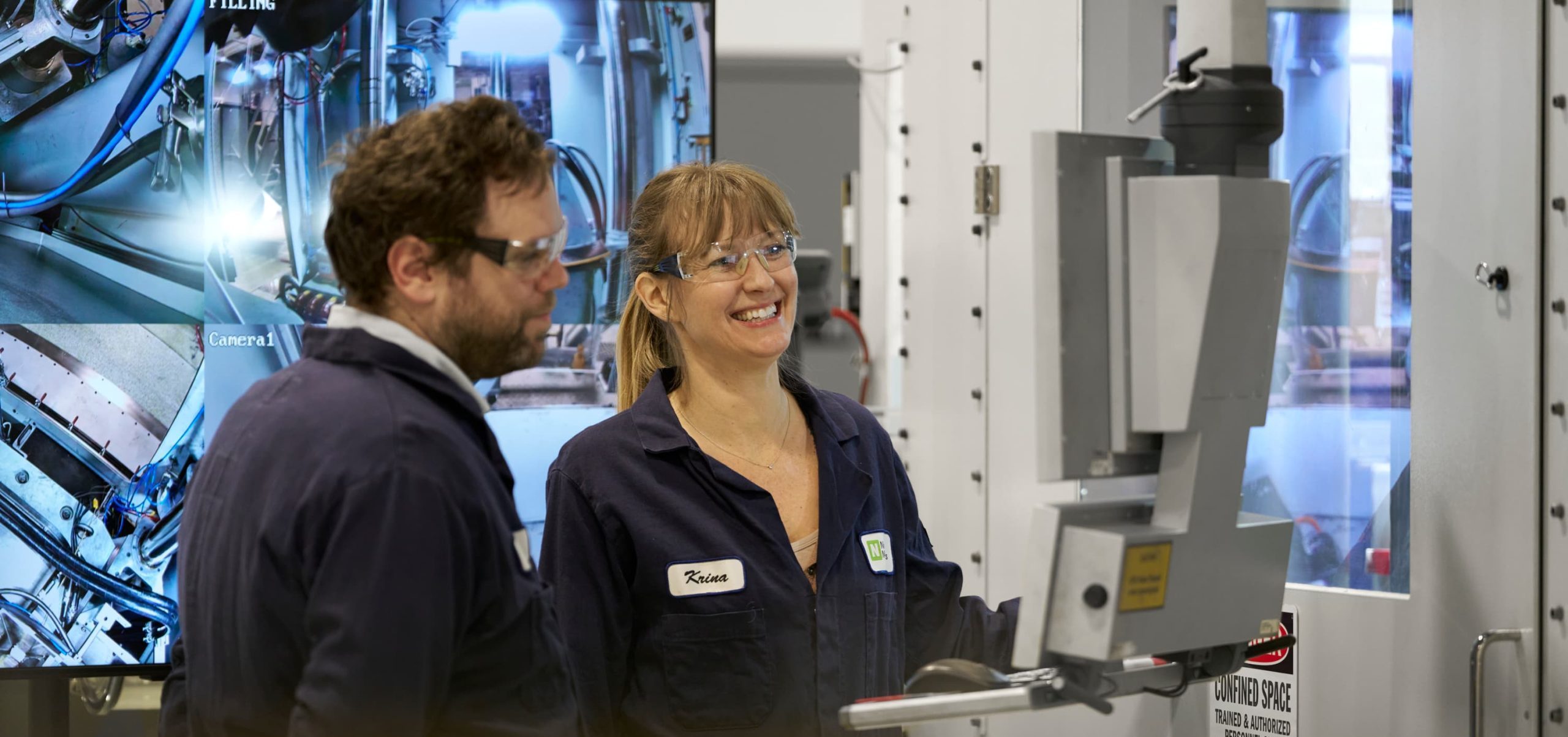
On May 6, 2026, Niron Magnetics announced that it had received $400,000 through the Minnesota Job Skills Partnership program, administered by the Minnesota Department of Employment and Economic Development. The funding will support a 20-month training program with Hennepin Technical College, focused on production, technical operations, maintenance, safety and manufacturing leadership. For the electric motor industry, the message is clear: Niron is building the operational capabilities required to manufacture rare-earth-free Iron Nitride permanent magnets at volume.
From material innovation to industrial component
Niron’s Iron Nitride magnets are designed to reduce dependence on rare-earth materials, traditionally used in high-performance permanent magnet motors. NdFeB magnets have long enabled high torque density, efficiency and compact motor designs, but they also expose manufacturers to cost volatility, supply-chain concentration and environmental concerns.
A rare-earth-free magnet, however, is not a simple drop-in replacement. It must prove magnetic performance, thermal stability, demagnetisation resistance, dimensional quality and compatibility with rotor assembly processes. In this context, workforce training becomes part of the technology roadmap, not just an HR initiative.
The MATTER Connection
The May announcement should also be read alongside Niron’s January 2026 collaboration with MATTER, India’s next-generation electric mobility company. The two companies are exploring the integration of Iron Nitride magnets and Variable Flux Motor architectures into high-performance electric motorbike powertrains.
Variable Flux Motor technology is especially relevant because it targets one of the classic compromises in permanent magnet machines: strong low-speed torque versus high-speed efficiency. For an electric motorcycle, this could mean faster acceleration, better urban controllability, more efficient cruising and improved thermal stability.
MATTER contributes expertise in liquid-cooled powertrains, in-house gearboxes and intelligent vehicle systems. Niron brings rare-earth-free magnet technology and motor-design know-how. The prototype unveiled at CES 2026 shows that the technology is no longer confined to material research, but is being evaluated in a real traction application.
Why It Matters
Rare-earth dependency remains one of the strategic bottlenecks of electrification. EVs, robotics, pumps, compressors, industrial drives and actuators all require high-performance motors, while the magnet supply chain remains exposed to geopolitical risk and material-price volatility.
Niron is positioning Iron Nitride as an alternative path: a permanent magnet platform based on abundant elements, designed to improve supply-chain resilience without abandoning the efficiency and compactness advantages of permanent magnet machines.
The Minnesota grant reinforces this direction by supporting the less visible, but decisive, phase of industrialisation: multi-shift production, trained operators, controlled processes and scalable manufacturing discipline.