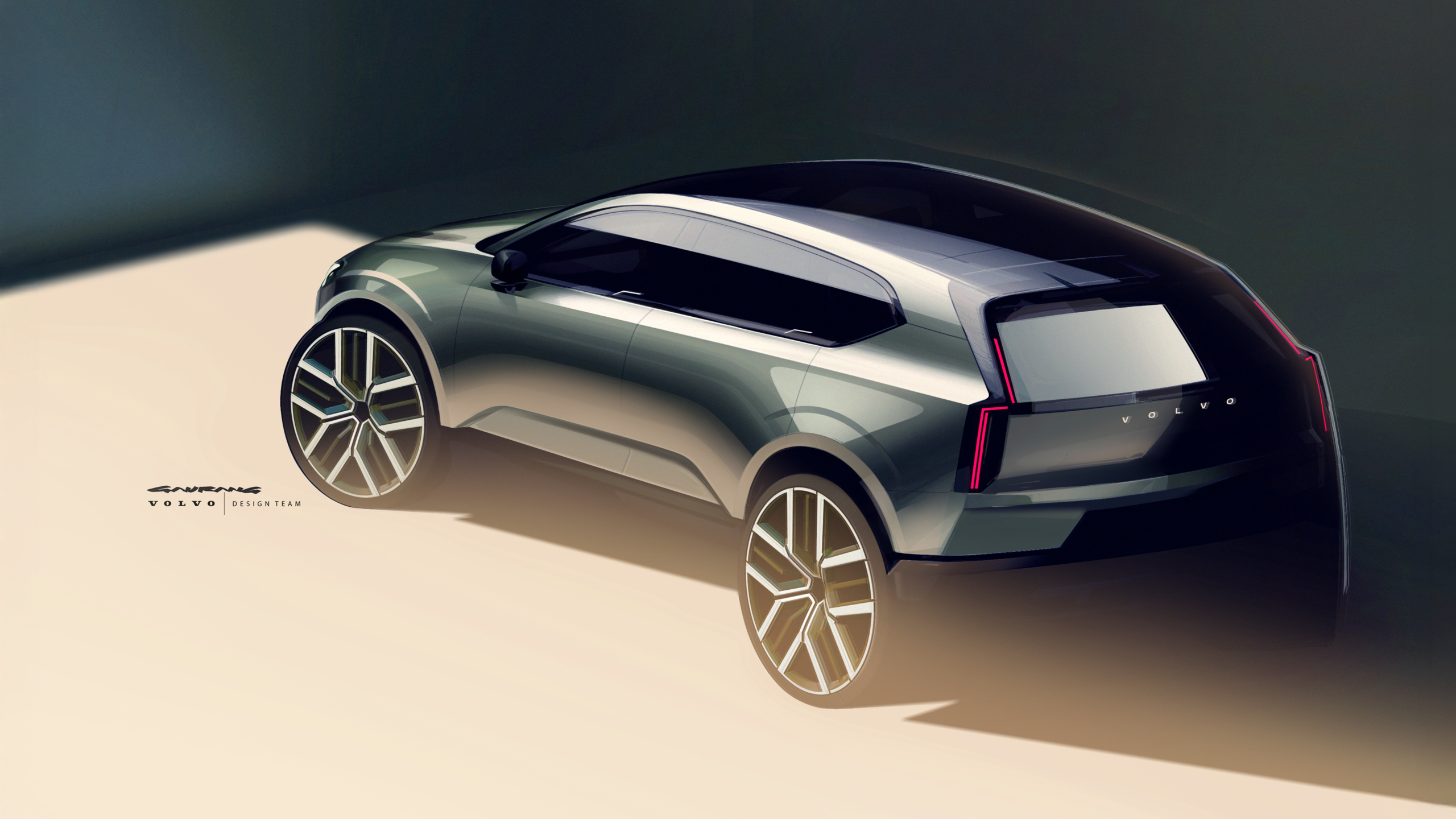
Volvo’s new EX60 positions its next‑generation in‑house e‑motors as the core enabler of long range, high efficiency and fast‑charging performance in the mid‑size SUV segment.
Volvo EX60 is launched with three all‑electric powertrain families: P12 AWD Electric, P10 AWD Electric and the rear‑wheel‑drive P6 Electric. In all‑wheel‑drive configuration, the P12 variant delivers up to 810 km of WLTP range on a single charge, currently the headline figure in the EX60 portfolio and the longest range ever offered by a Volvo EV. The dual‑motor P10 AWD Electric targets up to 660 km, while the single‑motor P6 Electric achieves up to 620 km, allowing Volvo to scale motor output and efficiency across seven total variants to match different use cases and driving profiles.
Beyond the absolute range numbers, Volvo’s positioning of the EX60 is clearly centred on turning “range anxiety into range comfort”, framing motor, battery and software integration as a way to reach real‑world long‑distance capability comparable to many petrol models. The combination of high‑efficiency e‑motors, low‑drag bodywork (Cd 0.26) and an optimised thermal and energy management strategy is presented as the basis for both the segment‑leading range figures and sustained performance over longer journeys.
Next‑generation in‑house e‑motors
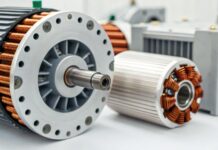
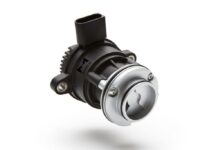
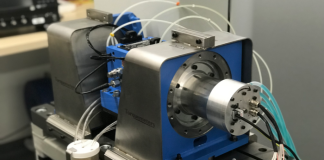
A key technical step for Volvo in the EX60 is the adoption of “next‑generation in‑house developed e‑motors”, moving away from a reliance on external motor suppliers to a vertically integrated electric drive strategy. According to Volvo, these new drive units are designed specifically for the SPA3 architecture and are paired with a new battery cell design to optimise overall system efficiency, weight and cost.
Independent technical coverage of SPA3 indicates that Volvo’s third‑generation e‑motors target efficiency figures of up to around 93%, enabled by a combination of optimised electromagnetic design, reduced mechanical losses and tightly integrated power electronics. While the press material deliberately avoids detailed motor topology disclosure (e.g. exact stator/rotor design or magnet chemistry), the emphasis is on higher efficiency at typical European motorway speeds, lower production cost and improved packaging versus the previous generation of Volvo EV motors.
In practical terms, the in‑house motors allow Volvo to calibrate performance and range trade‑offs more precisely across the P6, P10 and P12 variants. The rear‑drive P6 package prioritises efficiency and range for commuters and long‑distance drivers, while the dual‑motor P10 and P12 setups add a strong performance layer—with the top P12 configuration combining the longest range with high system power output and all‑weather traction.
SPA3 platform, cell‑to‑body and megacasting
The EX60 is the first model to use Volvo’s SPA3 architecture, which is described as a fully electric platform integrating battery and e‑motors into the vehicle structure around the HuginCore central compute system. SPA3 is built around three technical pillars that directly influence motor performance in real use: cell‑to‑body (CTB) battery integration, next‑generation in‑house e‑motors and megacasting of key structural elements.
Cell‑to‑body technology integrates the battery pack more tightly into the underbody, reducing the need for separate modules and additional structure. This lowers mass, increases torsional stiffness and frees packaging space, which in turn allows Volvo to position the motors and power electronics for shorter cable runs, improved cooling and lower system losses. Megacasting—large aluminium castings replacing multiple smaller stamped or welded parts—further reduces weight and manufacturing complexity, contributing to better power‑to‑weight ratio and improved efficiency for the same motor output.
By aligning high‑efficiency motors with a lightweight, stiff body‑in‑white, Volvo uses platform engineering to support the advertised combination of 800‑km‑class range and strong performance rather than relying solely on increasing battery capacity. For a technical audience, this underscores the shift from “bigger batteries” to “more efficient kilowatts” as the main vector for EV performance development.
Charging performance and thermal management
From a driveline perspective, one of the most striking metrics in the EX60 communication is the ability to add up to 340 km of range in approximately ten minutes at a 400 kW DC fast‑charging station. This charging behaviour relies on an 800 V‑class electrical architecture and a battery and motor system calibrated to sustain high C‑rates without excessive degradation or derating.
Volvo notes that the EX60 “charges faster than any electric Volvo before in all weather conditions”, which implies an integrated thermal management strategy coordinating battery pre‑conditioning, motor cooling and power electronics temperature control under HuginCore’s central supervision. Efficient e‑motors contribute here by reducing waste heat generation at cruising speeds, allowing the thermal system to allocate more capacity to fast charging without exceeding temperature limits.
In practice, for an EX60 driver, this means that the motor and battery system is designed not only for peak performance events but for repeated high‑power charge–discharge cycles over long‑distance trips. From a technical journalism perspective, this positions the EX60 as an example of how motor efficiency, cell‑to‑body integration and high‑power charging hardware must be engineered as a single system to achieve both long range and short dwell times at the charger.