Francesco D’Alessandro, CEO, Schenck Italia, on policy shifts, market pressures, and making electric motors more efficient.
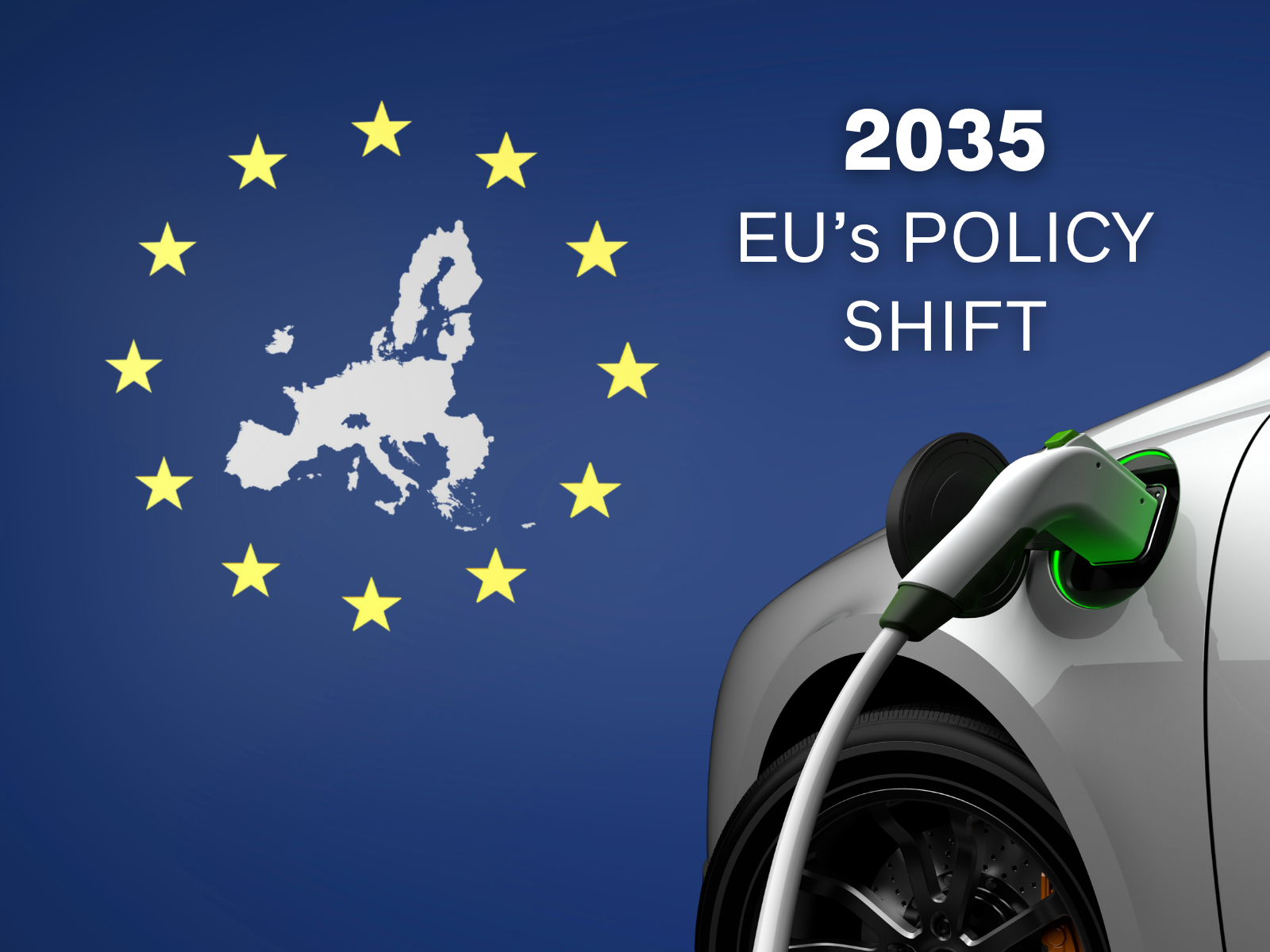
The European Union (EU) has recently softened its 2035 ban on internal combustion engines (ICEs), giving select hybrids and ICE models a life beyond that deadline. Instead of a full 100% cut in tailpipe emissions, manufacturers must now reach 90%, with the remaining 10% offset through low-carbon EU-made steel, e-fuels, and biofuels.
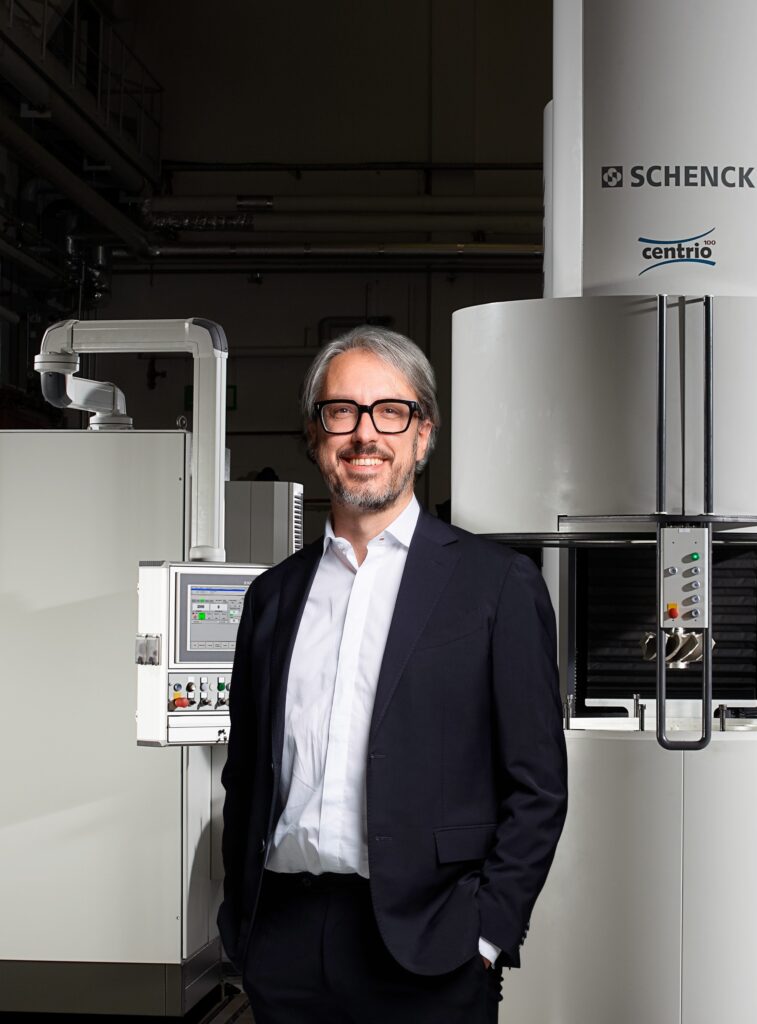
During a meeting dedicated to Electric Motor Engineering, we spoke with the CEO of Schenck Italia Srl, part of the Dürr Group. Schenck is the world’s largest manufacturer of balancing machines, spin‑test rigs, and vibration analysis instruments: technologies essential for developing, manufacturing, and monitoring rotating components, including electric motors across all application segments.
Mr. D’Alessandro, who is also leading the Green Technology unit at the company’s global headquarters in Germany, explains how recent EU policy changes translate into concrete challenges and opportunities for the electric motor industry.
How does the EU’s revised 2035 target influence strategies for electric motor manufacturing and R&D?
«Despite the ongoing debates and political discussions, Europe’s fundamental climate policy direction hasn’t fundamentally changed. The phase-out of combustion engines is still in place, and decarbonization targets remain stringent. Yes, technologies like e-fuels and biofuels will have a role, but only for a small segment of the market. ‘Zero’ tailpipe emissions will still be the goal for most platforms. From my perspective, this adjustment isn’t a lifeline for old industrial models. The central path forward is still large-scale electrification.»
Legacy OEMs now offer both electric and fuel‑powered models. Will multiple platforms technologies impact electric motor investment?
«Absolutely. Running two types of platforms in parallel creates significant strain for automakers. In the last few years, OEMs and Tier 1 suppliers have been under strong profitability pressures, pushing them to reduce costs across the supply chain. From an engineering standpoint, the goal is to simplify complexity: fewer components, alternative materials such as rare‑earth‑free variants, and streamlined manufacturing processes. This transformation naturally affects machinery suppliers as well, who are being asked to have a more effective solution in response.»
Some EV-focused companies or divisions have recently failed or been downsized. How do you read this trend?
«It’s an important question, and it deserves a technical, not ideological answer» the CEO responds. «What we are seeing is not the failure of electric vehicles as a technology, but a correction of expectations around timing, scale, and industrial readiness.»
According to him, many early BEV initiatives were built on optimistic assumptions about market adoption, infrastructure rollout, and cost-reduction curves, combined with a number of unexpected hurdles along the way. «Some initiatives moved faster than the entire ecosystem could realistically support, amplified by geopolitical instability» From an industrial perspective, he adds, «The market is moving from experimentation to consolidation. We are shifting from start-up logic to engineering discipline» This favors companies that focus on robustness, repeatability, and long-term performance rather than rapid scaling alone.
What trends do you see shaping electric motor development?
«Two are clear: lower cost and higher efficiency. Nearly every EV manufacturer, from BEVs to range-extenders, is chasing those same goals.»
How is Schenck supporting this transition?
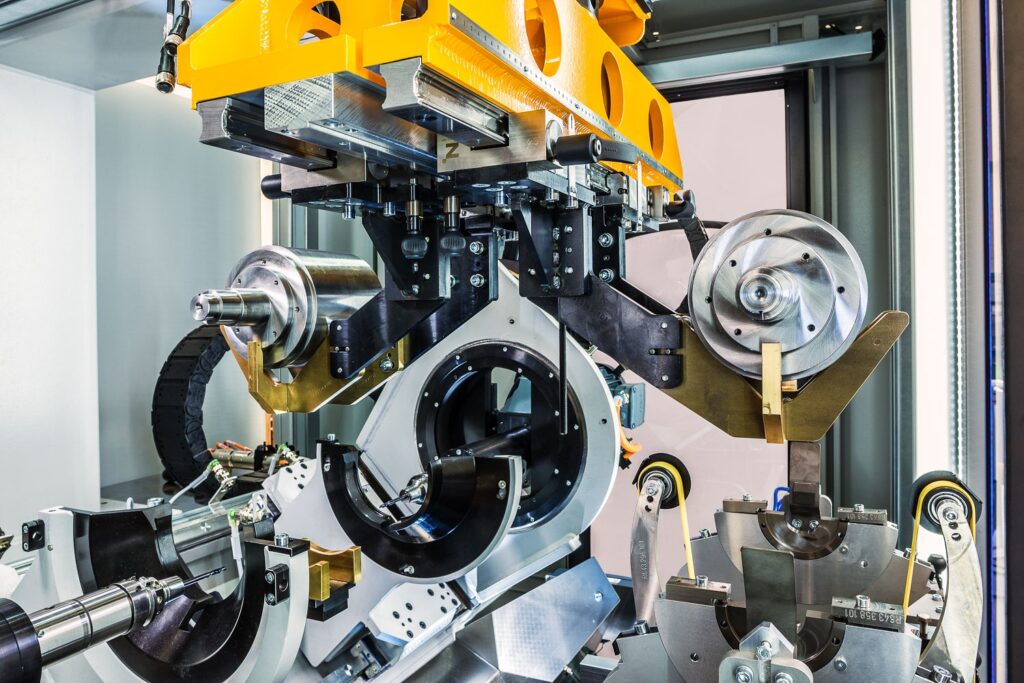
«We focused on two areas: machines for rotor manufacturing, and servitization models for rotor R&D. In 2024, we undertook a complete portfolio redesign, reducing SKUs from eight to three and making each machine substantially more flexible to adapt to rotor design changes. This approach has lowered our mid-term costs and increased responsiveness, aligning perfectly with current customer demands. On the R&D side, we invested in the Green Technology Center, a dedicated rotor testing laboratory capable of unique rotor dynamic simulation and advanced spin testing. With this facility, companies can access high‑end engineering technology without the burden of heavy capital investment and long lead times.»
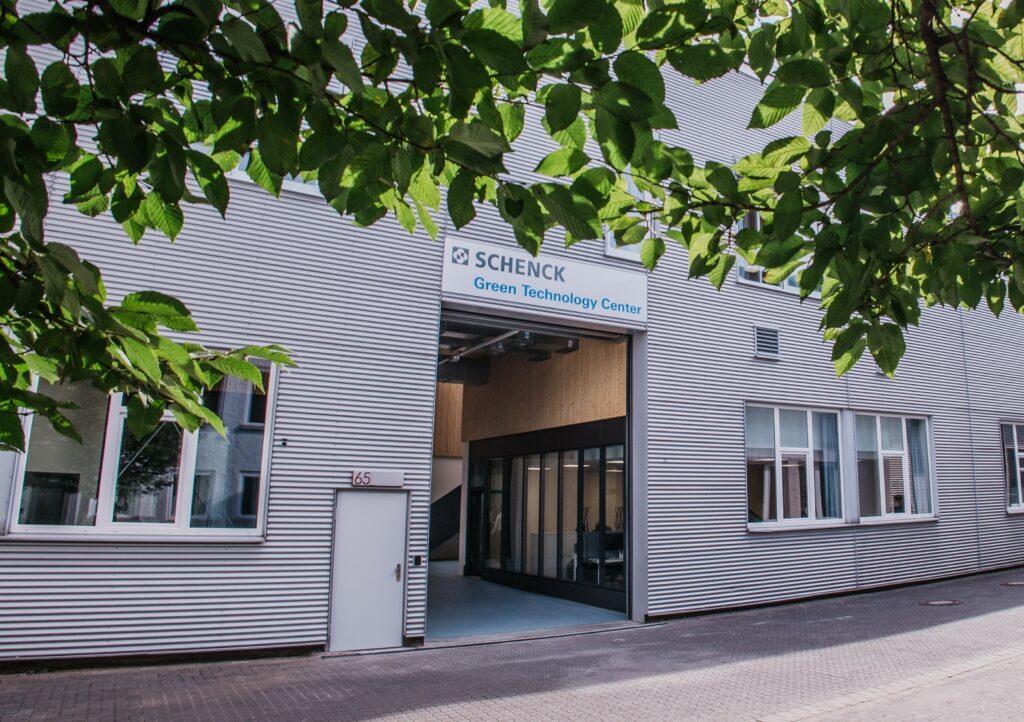
This solution-as-a-service model delivers Schenck’s customers a healthier cash flow while enabling significantly faster time-to-market for new designs.
«Whether it’s a BEV, plug-in, mild hybrid, or range extender – wrapping up, D’Alessandro adds – the electric machine isn’t auxiliary. It’s a fundamental part of the vehicle’s efficiency.»